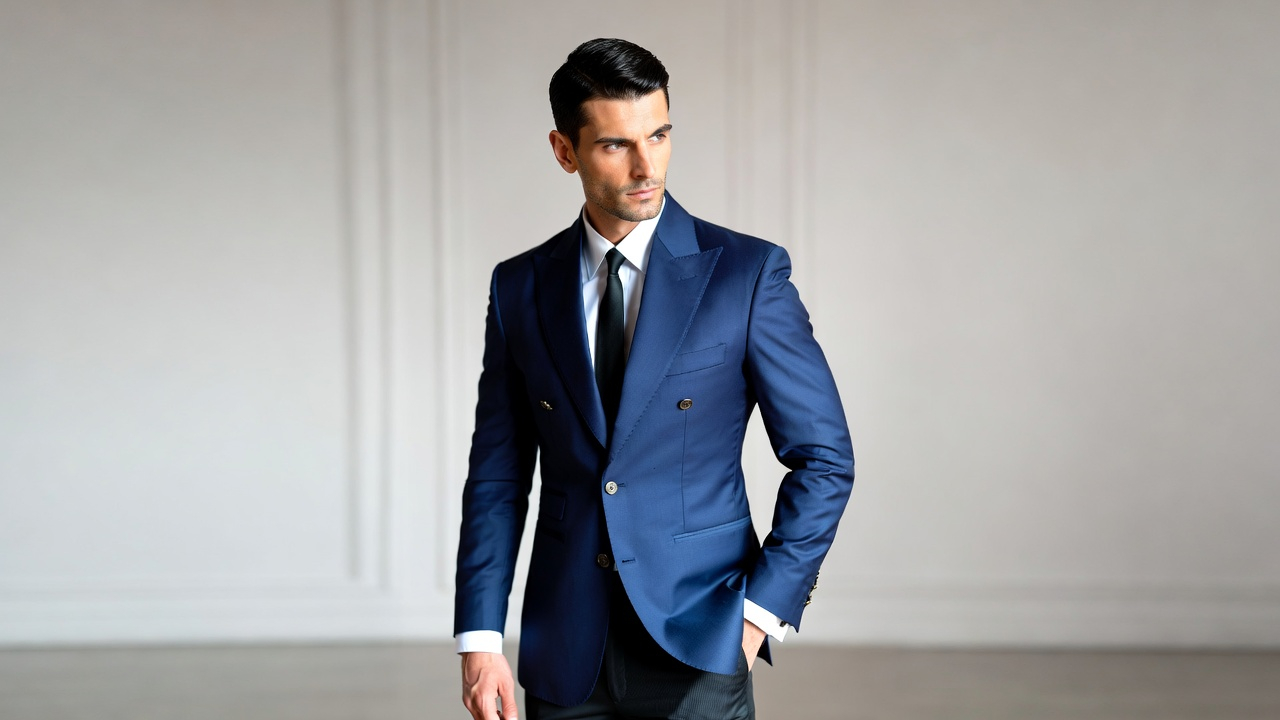
Turn a $35 Amazon Blazer into a Custom-Tailored Look
Have you ever wondered if budget jackets can rival designer pieces on your frame? Most people believe expensive price tags equal style. However, achieving high-end style usually comes down to fit rather than brand names.
Transforming affordable finds or thrifted items into high-quality outfits is now easier than ever. This shift toward sustainable fashion proves that upcycling works wonders for your wardrobe. By using DIY techniques, you can elevate every garment without spending much money.
Imagine taking that specific $35 Amazon Blazer and turning it into something stunning. This simple Men's Tailor Hack allows you to achieve perfection without visiting professional shops. Let us dive into how you can refine your Custom style today for that sharp Look.
Key Takeaways
- Fit matters more than price tags.
- DIY skills save money effectively.
- Sustainable style is growing popular.
- Affordable items become luxury pieces.
- Small changes improve overall fit.
- Upcycling creates unique wardrobe options.
Why Budget Blazers Are the Secret Weapon of Modern Style
In today's fashion landscape, budget blazers are emerging as a secret weapon for those seeking style without the hefty price tag. The key to unlocking their potential lies in understanding the value of affordable fashion and the psychology behind prioritizing fit over price.
Understanding the Value of Affordable Fashion
Affordable fashion has revolutionized the way people shop, making it possible to stay stylish without overspending. Thrifting, in particular, has become a popular way to find unique and affordable clothing options. By transforming thrifted finds into personalized outfits, individuals can express their style while being sustainable.
The value of affordable fashion extends beyond just the price tag. It's about accessibility and the democratization of style. With budget blazers, anyone can achieve a custom look that was once reserved for those who could afford high-end tailoring.
The Psychology of Fit Over Price Tag
The psychology of fit plays a significant role in how we perceive clothing. A well-fitted blazer can instantly elevate one's confidence and style, regardless of its original price. This is because fit is closely linked to how we feel about ourselves and how others perceive us.
When it comes to budget blazers, the focus shifts from the price tag to the art of tailoring. By applying tailoring tips and making a few strategic alterations, individuals can transform a basic blazer into a bespoke piece that looks and feels like a custom-made garment.
| Aspect | High-End Blazer | Budget Blazer |
|---|---|---|
| Initial Cost | $500+ | $35 |
| Tailoring Potential | Limited | High |
| Customization | Often custom-made | Can be altered to fit |
The table above highlights the contrast between high-end blazers and budget blazers. While high-end blazers come with a hefty price tag and limited tailoring potential, budget blazers offer an affordable entry point into stylish fashion with a high potential for customization through tailoring.
Men's Tailor Hack: Make a $35 Amazon Blazer Look Custom
The art of turning an affordable blazer into a bespoke look lies in understanding the basics of tailoring. With the right approach, a budget-friendly Amazon blazer can be transformed into a stylish, tailored piece that rivals high-end fashion.
The Philosophy of the Budget-Friendly Transformation
The key to a successful transformation is not just about altering the garment, but also about understanding the value of affordable tailoring. It's about recognizing that a well-fitted blazer can elevate your entire wardrobe, making each piece look more polished and put-together.
Embracing budget-friendly fashion means being resourceful and creative. It's about seeing the potential in a garment and knowing how to unlock it through simple yet effective alterations.
Setting Realistic Expectations for Your Amazon Find
Before you start altering your blazer, it's essential to have realistic expectations. Not every $35 Amazon blazer will turn into a perfect, tailored piece, but with the right adjustments, it can look significantly more expensive and custom-fitted.
Understanding the limitations of your garment and the alterations you can realistically make is crucial. This involves assessing the material, construction, and current fit of the blazer to determine the best course of action.
By combining affordable tailoring techniques with a clear understanding of what can be achieved, you can create a tailored blazer that looks anything but budget-friendly.
Assessing the Fit and Identifying Problem Areas
Assessing the fit of your blazer is the foundation of DIY tailoring. Before making any alterations, it's essential to understand where your blazer fits well and where it needs adjustments. This process involves a thorough examination of various aspects of the garment.
Measuring Shoulders and Chest Width
To start, measure the shoulder width by determining the distance between the two shoulder seams. Compare this measurement to your own shoulder width to identify any discrepancies. A well-fitted blazer should closely match your shoulder measurement.
Next, measure the chest width by wrapping a flexible measuring tape around your torso, keeping it level and parallel to the floor. Ensure the tape is not too tight or too loose. Compare this to the blazer's chest width to determine if it needs adjustments.
Evaluating Sleeve Length and Torso Tapering
Sleeve length is another critical aspect. Ideally, the sleeve should end at the wrist bone. If it's too long or too short, consider adjusting the length. To evaluate torso tapering, check if the blazer is fitted at the waist. A tailored look often involves some degree of tapering to accentuate the waistline.
Pinning Your Blazer for a Precise Silhouette
Pinning your blazer is a practical way to visualize the potential alterations. Use straight pins to mark areas that need adjustment, such as the shoulders, chest, or waist. This hands-on approach helps in achieving a precise silhouette.
| Area of Adjustment | Measurement to Take | Adjustment Goal |
|---|---|---|
| Shoulder Width | Distance between shoulder seams | Match personal shoulder width |
| Chest Width | Circumference around the torso | Comfortable fit without being too tight |
| Sleeve Length | Length from shoulder to wrist bone | End at the wrist bone |
By carefully assessing these areas and making the necessary adjustments, you can significantly enhance the fit of your blazer, giving it a custom-tailored look without the hefty price tag.
Essential Tools for DIY Blazer Adjustments
To give your $35 Amazon blazer a high-end look, you'll need to arm yourself with the essential tools for DIY adjustments. Having the right equipment is crucial for achieving a professional finish and ensuring that your alterations are both durable and stylish.
Must-Have Sewing Supplies for Beginners
For beginners, starting with basic sewing supplies is essential. These include a sewing machine, needles, threads (matching the color of your blazer), and fabric scissors. Investing in a seam ripper can also be helpful for correcting mistakes.
A simple sewing kit can include:
- Sharp fabric scissors
- Sewing needles (various sizes)
- Threads (neutral colors like black, white, and beige)
- A sewing machine
- A seam ripper
Using Fabric Glue and Hemming Tape for Quick Fixes
Fabric glue and hemming tape are invaluable for quick fixes and temporary adjustments. Fabric glue can be used to secure loose threads or temporarily hold a hem in place, while hemming tape is perfect for no-sew hemming solutions.
Here's a comparison of fabric glue and hemming tape:
| Product | Use Case | Durability |
|---|---|---|
| Fabric Glue | Temporary fixes, securing threads | Moderate |
| Hemming Tape | No-sew hemming, temporary adjustments | High |
Safety Precautions When Working with Needles and Irons
When working with needles and irons, safety should be your top priority. Always handle needles with care, and keep them in a safe place when not in use. When using an iron, ensure it's set to the correct temperature for your fabric type, and never leave it unattended.
Key safety tips include:
- Handling needles with care
- Keeping the work area clear of clutter
- Using the correct iron temperature
- Never leaving the iron unattended
Strategic Alterations That Elevate the Silhouette
Elevating the silhouette of a budget-friendly blazer is achievable through a series of thoughtful alterations. These modifications not only enhance the overall appearance but also ensure a more tailored fit, embodying the essence of Budget Style.
When it comes to making a Men's Tailor Hack work for you, understanding the right alterations is key. Here are some strategic changes that can make a significant difference:
Shortening Sleeves Without Ruining the Cuff
Shortening sleeves is a common alteration that can greatly improve the fit of a blazer. To do this without ruining the cuff, one must carefully measure and mark the desired length.
- Measure the sleeve length against your arm to determine the ideal length.
- Mark the new length with a pin or chalk, ensuring it's even on both sleeves.
- Carefully cut and reattach the cuff to maintain the original design.
Taking in the Sides for a Slimmer Waist
Taking in the sides can help achieve a slimmer waist, enhancing the overall silhouette. This involves adjusting the seams to fit your body more closely.
- Pin the sides to determine how much fabric needs to be taken in.
- Sew along the pinned line, ensuring a smooth, even curve.
- Press the seams to create a crisp, tailored look.
Adjusting the Hemline for Modern Proportions
Adjusting the hemline is crucial for achieving modern proportions. A well-adjusted hemline can make the blazer look more contemporary and stylish.
To adjust the hemline, measure the length against your trousers or skirt to ensure harmony. Then, mark and cut the new hemline, and rehem the blazer.
Upgrading Hardware and Details for a Premium Finish
Transforming a $35 Amazon Blazer into a custom-tailored look involves more than just altering the fit; it's also about upgrading the hardware and details. A premium finish can be achieved by paying attention to the small elements that often go unnoticed.
Replacing Plastic Buttons with Horn or Metal Alternatives
One of the simplest ways to elevate the look of your blazer is by replacing the plastic buttons with horn or metal alternatives. This not only enhances the aesthetic appeal but also gives the garment a more luxurious feel. For instance, horn buttons are a classic choice that can add a touch of sophistication to your blazer.
"The details are not the details. They make the design."
Adding Functional Lapel Details
Adding functional lapel details can also make a significant difference. This could include adding buttonholes or adjusting the lapel shape to create a more modern look. The key is to ensure that these details are in line with the overall style of the blazer.
Pressing and Steaming for a Professional Look
Finally, pressing and steaming your blazer is crucial for achieving a professional look. A well-pressed blazer can make a significant difference in how put-together you look. Use a steam iron to remove any wrinkles and creases, and consider using a pressing cloth to protect the fabric.
| Feature | Before Upgrade | After Upgrade |
|---|---|---|
| Buttons | Plastic | Horn or Metal |
| Lapel Details | Basic | Functional and Modern |
| Finish | Wrinkled | Pressed and Steamed |
By focusing on these details, you can transform your $35 Amazon Blazer into a truly custom look that rivals high-end fashion.
When to Visit a Professional Tailor
Not every alteration can be achieved through DIY methods, and knowing when to consult a professional tailor is key to achieving a flawless finish. While DIY tailoring can be a fun and cost-effective way to personalize your wardrobe, some changes require the expertise and precision that only a professional can provide.
Complex structural changes often fall into this category. For instance, if you're looking to significantly alter the silhouette of your blazer, such as changing the shoulder structure or re-cutting the armholes, it's time to seek professional help. These types of alterations require a deep understanding of garment construction and the ability to work with the fabric in a way that maintains the integrity of the piece.
Knowing Your Limits with Complex Structural Changes
Understanding the limitations of your DIY skills is crucial. If you're unsure about how to proceed with an alteration or if it involves complex techniques you're not familiar with, it's best to consult a professional. They can assess the garment and provide guidance on the best course of action.
For example, if your $35 Amazon blazer requires significant re-shaping or re-construction, a professional tailor can work with you to achieve the desired look. They have the necessary skills and experience to handle intricate alterations that might be beyond the scope of DIY tailoring.
Communicating Your Vision to a Professional
Once you've decided to seek the help of a professional tailor, effectively communicating your vision is vital. Bring reference images, explain the changes you want in detail, and be open to the tailor's advice and suggestions. A good tailor can offer valuable insights into what will work best for your garment and your body.
Clear communication ensures that you get the results you're looking for. Don't hesitate to ask questions or seek clarification on any part of the process. This collaborative approach will help you achieve a tailored look that meets your expectations.
Cost-Benefit Analysis of Professional Alterations
When considering professional alterations, it's essential to weigh the costs against the benefits. While there's an initial cost associated with hiring a professional, the long-term value can be significant. A well-tailored garment not only looks better but also lasts longer, making it a worthwhile investment.
To make an informed decision, consider the original price of the garment, the cost of the alterations, and the overall value you'll get from wearing a piece that fits perfectly. In many cases, the cost of professional alterations can be justified by the enhanced appearance and durability of the garment.
By understanding when to seek professional help and how to work effectively with a tailor, you can elevate your wardrobe staples, like your $35 Amazon blazer, into custom-tailored looks that rival high-end fashion pieces.
Conclusion
Transforming a budget-friendly blazer into a custom-tailored look is achievable with the right techniques and tools. By understanding the process and being patient, you can create a stylish, tailored blazer that enhances your Men's Fashion sense.
Whether you opt for DIY Tailoring or professional alterations, the key is to assess the fit and make strategic adjustments. With a little creativity and effort, you can turn a $35 Amazon Blazer into a premium piece that exudes Budget Style and sophistication.
By applying the principles outlined in this article, you can enjoy a tailored fit that boosts your confidence and elevates your overall style. So, take the first step towards creating your perfect Tailored Blazers and start experimenting with DIY tailoring or visit a professional tailor to achieve the look you desire.
FAQ
The most effective Men's Tailor Hack is focusing on the "Golden Triangle"—the shoulders, sleeves, and waist. Even a $35 Amazon Blazer can look like a thousand-dollar garment if the sleeves end exactly at the wrist bone and the waist is tapered to eliminate excess fabric. Prioritizing fit over the brand name is the ultimate secret to Budget Style.
Yes! Achieving a Custom Look is less about the initial cost and more about the structural adjustments made after the purchase. By using Tailoring Tips like replacing cheap plastic buttons with high-quality horn or brass alternatives and ensuring the torso is pinned for a slim silhouette, your Amazon find will easily pass for a bespoke piece.
Absolutely. DIY Tailoring doesn't always require a sewing machine. For beginners, using tools like hemming tape and fabric glue can provide quick, temporary, or even semi-permanent fixes for sleeve lengths and minor hem adjustments. Just remember to use a low-heat iron and follow safety precautions to avoid damaging the polyester blends often found in affordable Men's Fashion.
Affordable Tailoring allows you to spend less on the garment itself while allocating a small budget to perfect the fit. In the world of Men's Fashion, a perfectly fitted Budget Style blazer will always look more professional and stylish than an expensive designer jacket that is too bulky or long in the sleeves.
When working on Tailored Blazers, always start with the sleeves. Shortening the sleeves to show a quarter-inch of your dress shirt cuff instantly elevates the look. Next, take in the side seams to create a "V" shape. If you are uncomfortable sewing, these are simple tasks to communicate to a professional when you want to maximize your Budget Style investment.
You should seek a professional for any changes involving the shoulders or the lining. While DIY Tailoring is great for hems and buttons, "breaking" the shoulders of a jacket is a complex structural change that can ruin the garment if done incorrectly. For these advanced Tailoring Tips, a local pro is worth the extra $20 to $40 to ensure your Custom Look remains sharp.